

Renewable energy projects look simple on slides: build, connect, print money, save the planet. In real life, they fail (or underperform) because of weak assumptions, bad integration, and optimistic spreadsheets that ignore physics, grid rules, and supply-chain reality.
Oranit supports investors, developers, and industrial companies with engineering-driven consulting across the renewable energy value chain, from feasibility and due diligence to execution support. We focus on technical risk, bankability, and long-term performance.
What we deliver
- Independent technical assessment based on real-world constraints (grid, technology limits, permitting, construction reality)
- Bankability-oriented due diligence and performance expectations
- Technology selection and supplier evaluation with clear acceptance criteria
- Risk analysis and mitigation plan (technical, operational, supply chain)
- Transparent reports that investors, lenders, and project stakeholders can actually use
1) Solar Farm & Wind Farm Investment Consulting
We support utility-scale solar and wind investments across the project lifecycle.
Typical scope
- Feasibility and concept review (site constraints, grid connection, yield expectations)
- Technology and design review (modules/turbines, inverters, transformers, cabling, SCADA)
- Yield and performance validation (assumptions, losses, degradation, curtailment exposure)
- Grid compliance and interconnection readiness (protection concept, standards, operating modes)
- EPC and supplier evaluation (technical capabilities, warranties, track record, delivery risk)
- Construction and commissioning support (acceptance testing, punch lists, handover criteria)
Outcome: clearer performance expectations, fewer surprises after commissioning, and improved investment quality.

2) Waste-to-Energy Consulting
Waste-to-energy can be a strong asset class, or a slow-burning disaster if feedstock, permitting, and technology integration are not nailed down early.
Typical scope
- Feedstock assessment (quantity, composition, seasonality, logistics, contamination risk)
- Technology pathway review (incineration, gasification, anaerobic digestion, RDF integration)
- Energy balance and efficiency review (electricity, heat utilization, CHP sizing)
- Emissions and compliance readiness (monitoring, filtration requirements, regulatory risk)
- CAPEX/OPEX drivers and availability assumptions (maintenance, downtime, spare parts)
- Vendor evaluation and contract risk review (performance guarantees, liability, acceptance tests)
Outcome: a decision-ready technical picture and a roadmap that aligns performance, compliance, and economics.

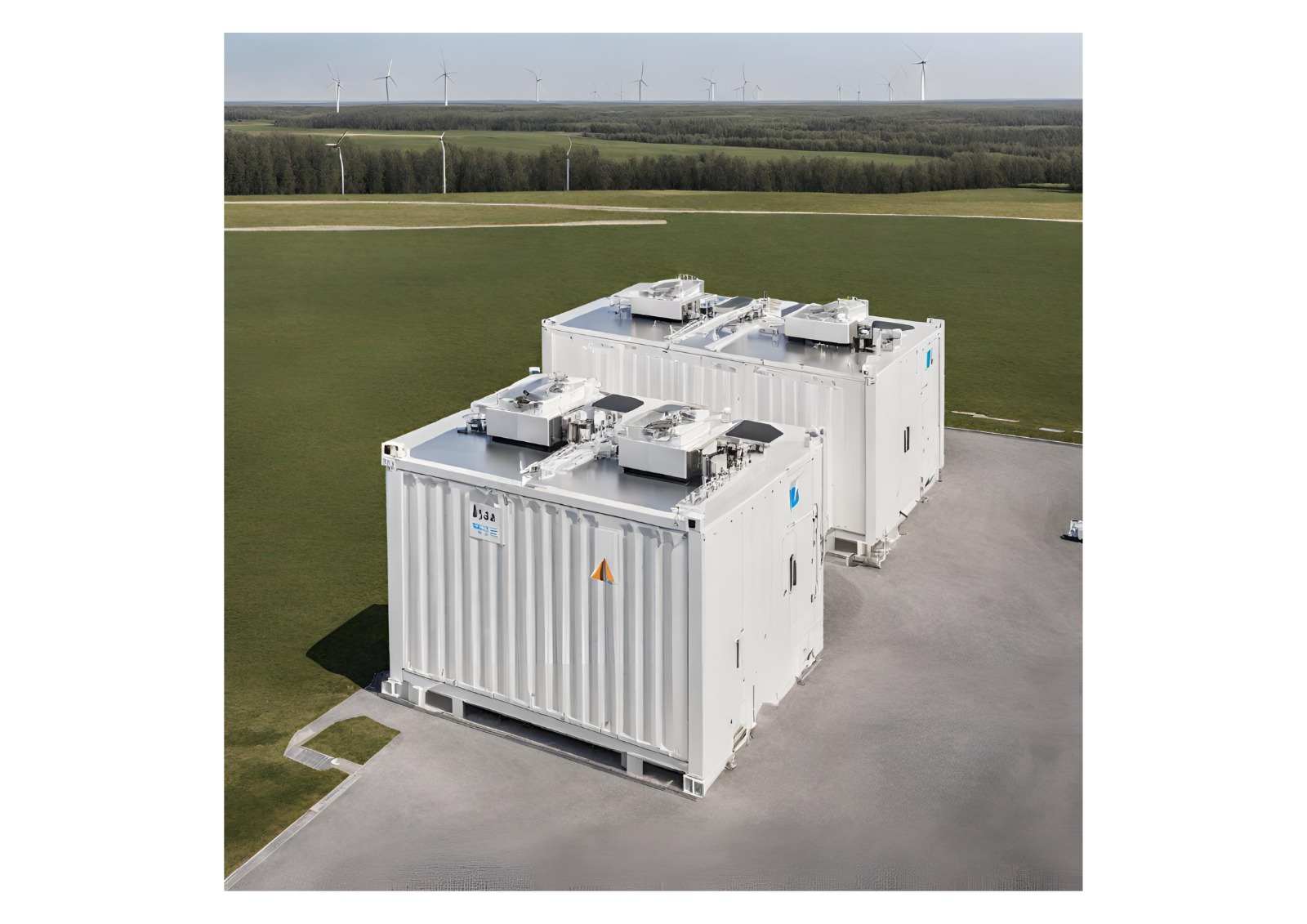
3) Utility-Scale Battery Storage Investment Consulting (BESS)
Grid-scale storage is not just “MW + MWh”. The details determine bankability: cell chemistry, thermal strategy, grid services, degradation, safety concept, and warranty enforceability.
Typical scope
- Use-case definition and sizing (energy shifting, peak shaving, frequency services, grid support)
- System architecture review (DC/AC, PCS, transformer, protection concept, EMS/SCADA)
- Safety and compliance review (fire strategy, spacing, detection/suppression, standards)
- Performance and degradation assessment (cycling profile, warranty alignment, expected capacity fade)
- Vendor and integrator evaluation (bankability, track record, service model, spare strategy)
- Contract and warranty review (availability guarantees, response times, liquidated damages)
Outcome: bankable system design choices, realistic lifecycle performance expectations, and controlled technical risk.
4) Manufacturing Investment Consulting in Renewables
Investing in manufacturing (battery systems, inverters, solar panels, components) fails when the business case ignores engineering realities: yield, defect rates, certification timelines, supply chain constraints, and scaling cost.
Typical scope
- Product and market feasibility (spec targets, competitive positioning, certification needs)
- Manufacturing readiness assessment (process design, QA/QC, testing strategy, traceability)
- Capex planning and line design review (equipment selection, throughput, bottlenecks)
- Supplier and supply-chain assessment (cell/module sourcing, electronics, BOM risk, second sources)
- Certification and compliance plan (grid codes, safety standards, transport, documentation)
- Risk review for scaling (ramp-up curve, warranty exposure, service model, failure modes)
Outcome: a manufacturing investment plan that survives reality, not just investor slides.
Who we work with
- Investors and investment funds
- Developers and project owners
- EPCs and technology providers
- Industrial companies entering the renewable manufacturing space
How we work
- Independent and technically critical: we validate assumptions, identify risks, propose mitigation
- Structured deliverables: concise reports, decision matrices, and acceptance criteria
- Practical orientation: recommendations that can be implemented, tested, and contracted
Oranit helps you invest in renewable energy with fewer surprises, clearer technical truth, and projects that perform in the field, not only in spreadsheets.